

An electrical panel upgrade may be necessary when the existing equipment is damaged, lacks approved circuit space or cannot safely support the home’s calculated electrical demand. However, an older panel or a 100-amp service does not automatically require replacement. The decision should be based on equipment condition, a proper load calculation, approved breaker capacity and the household’s realistic future plans.
Author bio: This homeowner guide was prepared by a residential-renovation content specialist familiar with Québec construction practices, electrical-safety guidance and public information concerning residential electrical installations. It provides general educational information only and does not replace a site-specific assessment by a properly licensed electrical contractor.
A breaker that trips when the kettle and toaster operate together, an older fuse panel in a basement corner or a panel with no obvious space for another circuit can make a homeowner wonder whether the complete electrical service is outdated.
This question is especially common in Greater Montreal’s older houses, duplexes and bungalows, many of which were originally built for a much smaller electrical demand than a modern household may require.
New equipment can substantially change the calculation, including:
- electric-vehicle charging equipment;
- central or multi-zone heat pumps;
- induction ranges;
- electric boilers and furnaces;
- hot tubs, spas and pool equipment;
- electric floor heating;
- second kitchens or basement suites;
- workshops and home offices.
The correct solution is not always a 200-amp service. Depending on the assessment, the house may need a full upgrade, a properly designed subpanel, load-management equipment, branch-circuit repairs or no major service change at all.
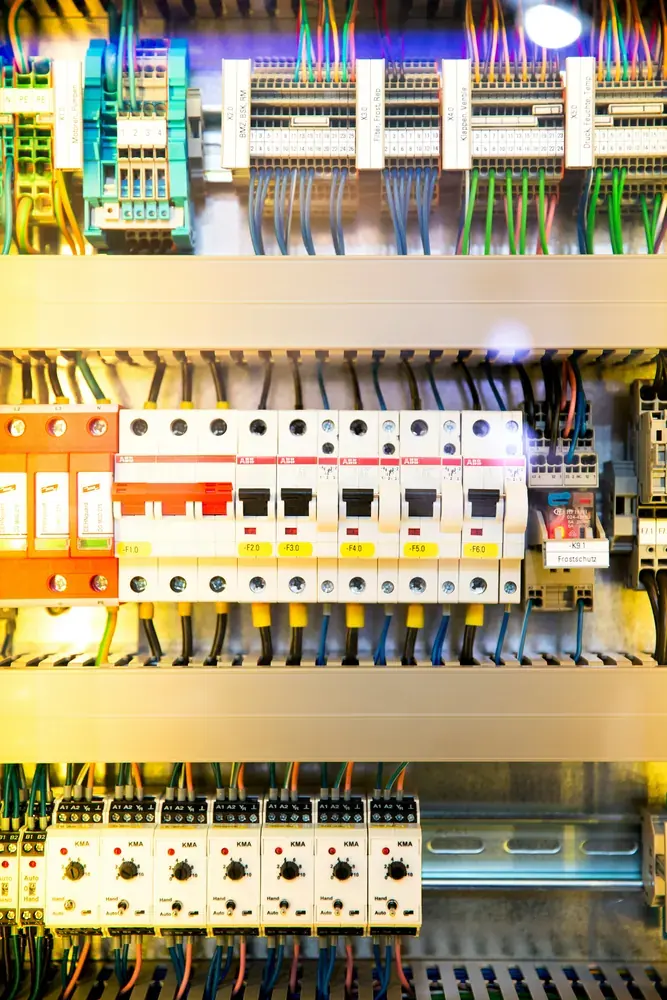
What an Electrical Panel Does
The electrical panel is the distribution point between the electrical service entering the property and the branch circuits supplying lights, receptacles, appliances and fixed equipment.
Breakers or fuses are intended to interrupt current when a circuit experiences an overload or another unsafe electrical condition.
The electrical system has several related limits:
- Service capacity: commonly described as 60, 100, 125, 150 or 200 amps in residential installations.
- Panel and bus rating: the maximum current the equipment is designed to handle.
- Main protective-device rating: the rating of the main breaker or other service protection.
- Approved circuit positions: the number and types of breakers permitted by the panel manufacturer.
- Equipment condition: corrosion, heat damage, loose connections and physical deterioration can make equipment unsafe.
- Breaker compatibility: only breakers specifically approved for the panel should be installed.
- Calculated demand: the expected combined electrical demand determined under the applicable rules.
A larger number printed on the main breaker does not provide unlimited electricity.
The service conductors, meter base, panel, grounding, bonding and utility-side equipment must all be coordinated as one electrical installation.
Electrical Panel Upgrade: 10 Critical Signs to Evaluate
| Sign | Why it matters | Appropriate response |
|---|---|---|
| Older 60-amp service or fuse panel | May not suit modern electric heating and appliance loads | Request a condition and load assessment |
| No approved breaker positions | New circuits cannot be added by improvising space | Compare a subpanel, panel replacement or load management |
| Repeated breaker trips | May indicate overload, damaged wiring or defective equipment | Diagnose the cause before replacing the panel |
| Heat, odour or unusual sounds | Can indicate damaged connections or overheating | Stop using affected circuits and obtain urgent service |
| Water, rust or corrosion | Moisture can damage service equipment and connections | Correct the moisture source and assess the equipment |
| Improvised or incompatible components | Unapproved breakers or alterations may compromise protection | Have the installation inspected and corrected |
| Major new electrical load | EV charging, heating or a second kitchen can change demand | Complete a load calculation before purchasing equipment |
| Renovation exposes questionable wiring | Hidden conditions can expand the project scope | Evaluate the panel and branch circuits together |
| Widespread dimming or voltage symptoms | May indicate loose connections, service issues or large-load effects | Arrange professional diagnosis rather than guessing |
| Calculated demand exceeds the present arrangement | The service may not support planned equipment safely | Compare a service upgrade with approved alternatives |
1. The home has a 60-amp service or an older fuse panel
A fuse panel is not automatically dangerous when it is intact, correctly fused and properly maintained.
The concern is that older installations may have been altered repeatedly over several decades. Potential problems include:
- oversized fuses;
- improvised additions;
- damaged covers;
- missing blanks;
- insufficient circuit capacity;
- deteriorated wiring or connections.
A 60-amp service may also be difficult to reconcile with modern all-electric loads such as an electric range, dryer, water heater, heat pump and vehicle charger.
The service rating alone does not determine the answer, but it is a strong reason to request a documented assessment.
2. There is no legitimate space for new circuits
A full panel should not be modified by forcing in an unapproved tandem breaker, placing several conductors under a terminal not designed for them or attaching an improvised secondary enclosure.
Some panels allow specific tandem or quad breakers in designated positions. Other panels do not.
The panel label and manufacturer’s instructions determine which breaker types and positions are approved.
When every permitted position is occupied, possible solutions include:
- a properly designed subpanel;
- a replacement panel with more approved positions;
- a complete service upgrade;
- load-management equipment;
- reorganization after removing abandoned circuits.
A subpanel adds distribution space but does not automatically add service capacity. Review our comparison of a subpanel and a main electrical panel before treating the two as interchangeable.
3. Breakers trip repeatedly during ordinary use
A single trip after several high-demand appliances operate on one branch circuit may indicate a simple overload.
Repeated trips, trips with little connected load or a breaker that will not remain reset require investigation.
Possible causes include:
- a damaged appliance;
- an overloaded branch circuit;
- a loose connection;
- a short circuit;
- a ground fault;
- a failing protective device;
- damaged wiring.
Replacing the entire panel before locating the fault may leave the actual problem unresolved.
For a safe homeowner response, review our guide to common causes of circuit breaker tripping in Montreal homes.
4. The panel produces heat, odours or unusual sounds
Stop using affected circuits and arrange a prompt professional assessment when the panel is associated with:
- a burning or hot-plastic smell;
- buzzing;
- crackling;
- visible sparking;
- discolouration around breakers;
- melted insulation;
- an unusually warm panel cover.
Do not remove the fixed panel cover. Components inside the enclosure may remain energized even when the main breaker is switched off.
5. Water, rust or corrosion is present
Electrical equipment should not be exposed to active leaks, condensation or persistent moisture.
Possible sources include:
- a leaking foundation;
- a nearby plumbing line;
- condensation;
- a poorly sealed service entrance;
- water entering around the meter or exterior conduit.
Replacing corroded equipment without correcting the moisture source can damage the new installation.
Keep away from electrical equipment when water is actively entering it, and obtain qualified assistance.
6. The panel contains improvised or incompatible components
A panel may require correction when it contains:
- breakers not approved for that panel;
- double-tapped terminals not designed for two conductors;
- missing filler plates;
- damaged covers;
- unlabelled improvised additions;
- secondary boxes or wiring added without a coherent design.
The presence of one defect does not automatically mean the complete service must be replaced, but the installation should be evaluated as a system.
7. A major electrical load is being added
Projects that commonly require a load review include:
- an electric-vehicle charger;
- an electric boiler or furnace;
- a central or multi-zone heat pump;
- an induction range;
- a spa, sauna or pool system;
- a second kitchen;
- a basement dwelling or intergenerational suite;
- a workshop with large equipment;
- substantial electric floor heating.
The best solution is not automatically a 200-amp service.
A licensed contractor may determine that:
- the existing service is adequate;
- a smaller charger setting is practical;
- approved load management can prevent simultaneous operation;
- a subpanel is needed only for circuit distribution;
- a complete service upgrade is justified.
Complete the load assessment before buying major equipment whenever possible.
8. Renovation work exposes questionable wiring
Opening walls or ceilings may reveal:
- cloth-covered cable;
- damaged insulation;
- loose junctions;
- buried electrical boxes;
- mixed wiring methods;
- abandoned conductors;
- unapproved alterations.
These findings do not necessarily require a complete service replacement, but they can expand the renovation scope.
The panel, branch circuits and proposed renovation should be assessed together.
For a broader inspection list, read about common electrical problems in older Greater Montreal homes.
9. Lights dim or electrical symptoms affect several circuits
A brief change in lighting when a large motor starts does not by itself prove that the panel is undersized.
However, widespread or recurring symptoms require attention, especially when they involve:
- several rooms;
- multiple branch circuits;
- flickering unrelated to one lamp;
- intermittent power;
- equipment behaving differently when a large load starts;
- unusual sounds or heat.
The cause may involve a branch circuit, a loose connection, service equipment or utility-side conditions. Diagnosis should precede replacement recommendations.
10. The calculated demand no longer fits the current service
The most reliable capacity decision is based on a load calculation completed under the applicable electrical rules.
The assessment may consider:
- the rating and condition of the existing service;
- space-heating equipment;
- electric water heating;
- cooking and laundry equipment;
- vehicle charging;
- suite or rental-unit loads;
- continuous loads and applicable demand factors;
- reasonable future projects;
- available panel positions;
- the condition of service and branch-circuit conductors.
The resulting recommendation should be documented rather than based only on the home’s age or the number printed on the existing main breaker.
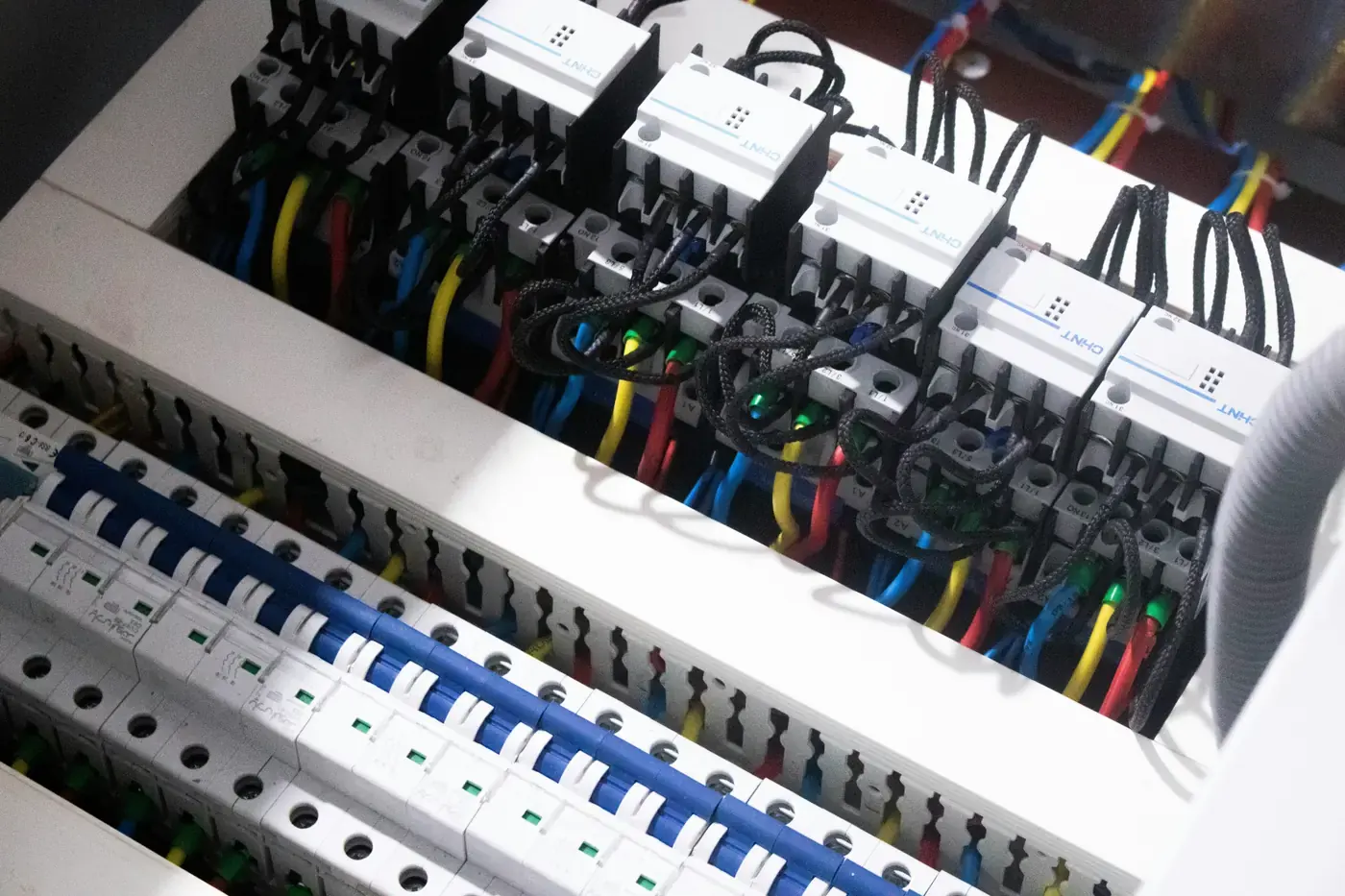
Electrical Capacity Is Only One Part of the Decision
Homeowners often ask, “Do I need 200 amps?”
A more useful question is:
What service and distribution arrangement safely supports the calculated demand and the planned use of this property?
A 100-amp service can remain adequate in some efficient homes, particularly where major electrical loads are limited or managed.
A 200-amp service can still contain serious problems when:
- branch circuits are overloaded;
- connections are loose;
- breakers are incompatible;
- water has damaged the equipment;
- the circuits are poorly organized.
Capacity, condition and distribution must therefore be evaluated separately and then considered together.
Panel Upgrade, Subpanel or Load Management?
Complete service and panel upgrade
A full electrical-service upgrade may involve:
- a new panel;
- a new main disconnect;
- a meter base;
- service conductors;
- grounding and bonding work;
- coordination with Hydro-Québec;
- repairs around the service entrance;
- new or transferred branch-circuit breakers.
Advantages:
- additional capacity when justified by the load calculation;
- modern equipment;
- additional approved circuit positions;
- clearer organization;
- better preparation for future electrification.
Limitations:
- greater cost and coordination;
- a planned power interruption;
- possible exterior or interior restoration;
- utility-side requirements;
- no automatic correction of defective branch wiring.
Subpanel
A subpanel creates additional circuit-distribution space but does not increase the electrical capacity supplied by the utility.
It can be useful for:
- a garage;
- an addition;
- a basement renovation;
- a workshop;
- a concentrated group of new circuits.
Advantages:
- organized distribution near the new loads;
- potentially less invasive than complete service replacement;
- useful when the main service has sufficient calculated capacity.
Limitations:
- does not create additional service amperage;
- requires a properly sized feeder;
- requires suitable overcurrent protection;
- requires correct neutral and grounding arrangements.
Load-management equipment
Approved load-management controls can prevent selected high-demand equipment from operating simultaneously.
This can sometimes allow an EV charger or another large load to be added without increasing the entire service.
Advantages:
- can reduce the need for a larger service;
- may help where utility or building constraints complicate an upgrade;
- allows selected loads to be prioritized.
Limitations:
- must be selected for the specific loads;
- can temporarily reduce or interrupt managed equipment;
- does not repair deteriorated panel components;
- does not create additional breaker positions by itself.
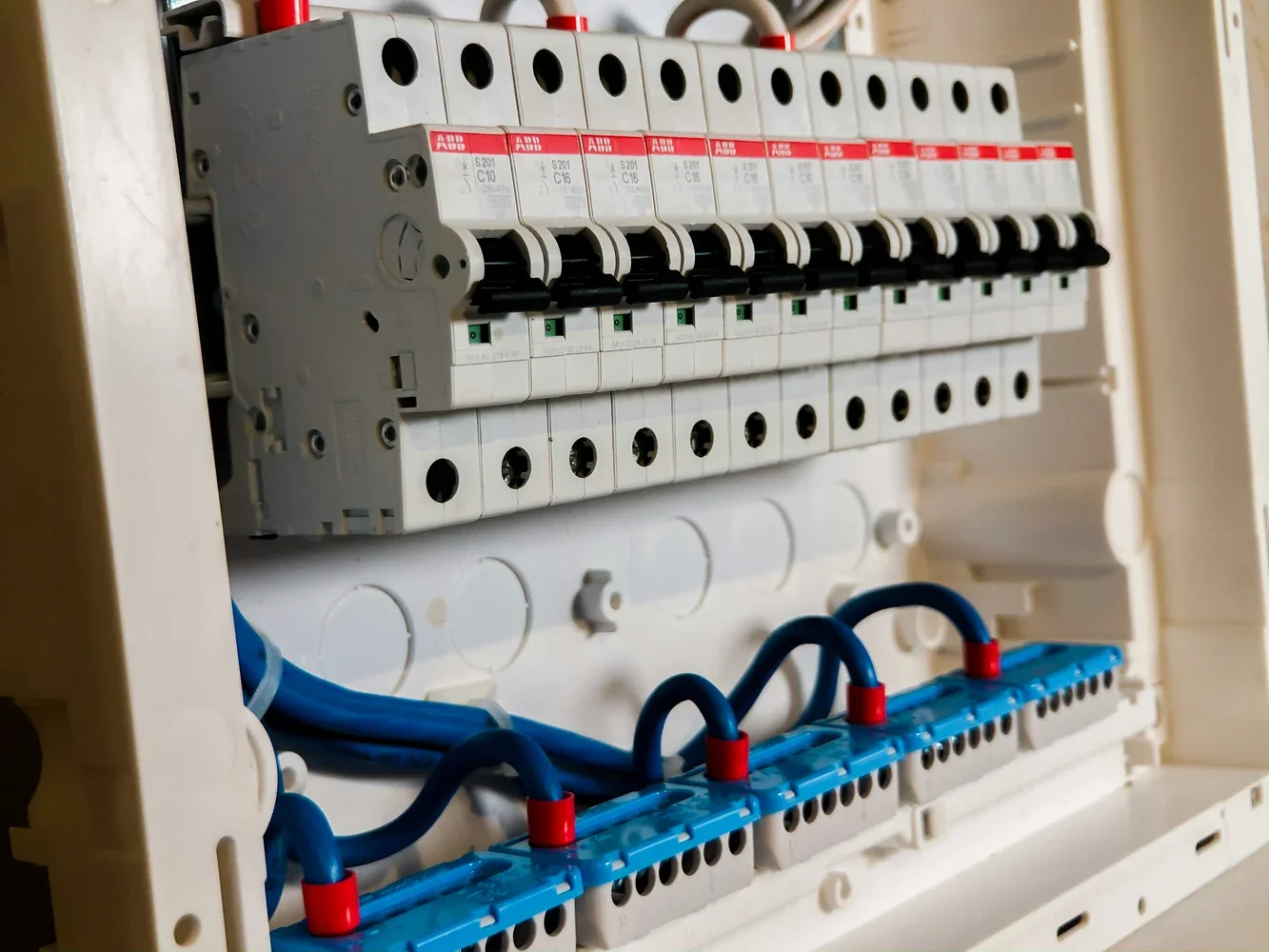
What to Expect During an Electrical Panel Upgrade
1. Site assessment and load calculation
The contractor records:
- the existing service rating;
- the panel manufacturer and model;
- the condition of accessible wiring;
- the number and type of circuits;
- the major fixed electrical loads;
- the homeowner’s planned equipment.
Planned equipment should be identified by actual specifications whenever possible.
For example, knowing the expected EV-charger rating and normal driving needs is more useful than stating only that an electric vehicle may be purchased someday.
2. Scope, permits and utility coordination
Municipal and utility procedures can vary according to the property and project.
The contractor should explain responsibility for:
- municipal permits or declarations;
- utility work requests;
- meter and service coordination;
- inspection requirements;
- temporary disconnection and reconnection;
- restoration of walls, siding or masonry.
The applicable Québec electrical requirements and Hydro-Québec procedures should be confirmed for the project date.
3. Scheduled shutdown
The home will lose power during part of the work.
Before the shutdown:
- keep refrigerator and freezer doors closed;
- shut down sensitive electronics correctly;
- plan for internet and alarm interruptions;
- address medical or essential-power needs;
- provide clear access to the panel and meter.
The duration depends on the scope, existing conditions and utility coordination.
4. Equipment replacement and required corrections
The contractor installs the agreed equipment, transfers and identifies circuits, completes included grounding and bonding work and corrects the deficiencies listed in the contract.
Unexpected conditions should be documented and approved before additional work proceeds.
5. Testing and homeowner handover
The finished installation should include:
- a secure panel cover;
- approved filler plates;
- a useful circuit directory;
- testing of the completed work;
- equipment and warranty information;
- invoices and relevant project documents.
Electrical Panel Upgrade Assessment in 10 Steps
- Record the existing service. Note the visible service rating, panel manufacturer and labels without removing the fixed cover.
- List the home’s major electrical equipment. Include heating, water heating, cooking, laundry, cooling, vehicle charging and workshop loads.
- Document electrical symptoms. Record recurring trips, flickering, dimming, odours, heat, moisture and unusual sounds.
- Identify future projects. List realistic renovations and equipment additions expected during the next five to ten years.
- Confirm the property’s use. Determine whether the project involves a rental unit, second kitchen, legal suite or change of occupancy.
- Request a load calculation. Ask the licensed contractor to compare the calculated demand with the existing service and planned equipment.
- Compare the available solutions. Review whether repairs, a subpanel, load management, panel replacement or a complete service upgrade is appropriate.
- Confirm permits and utility requirements. Establish who is responsible for municipal documents, utility requests, shutdowns and reconnection.
- Compare written scopes. Verify equipment ratings, breaker quantities, grounding, bonding, labelling, testing, restoration and exclusions.
- Plan the shutdown and retain records. Prepare the household for the outage and keep invoices, permits, equipment information and the final circuit directory.
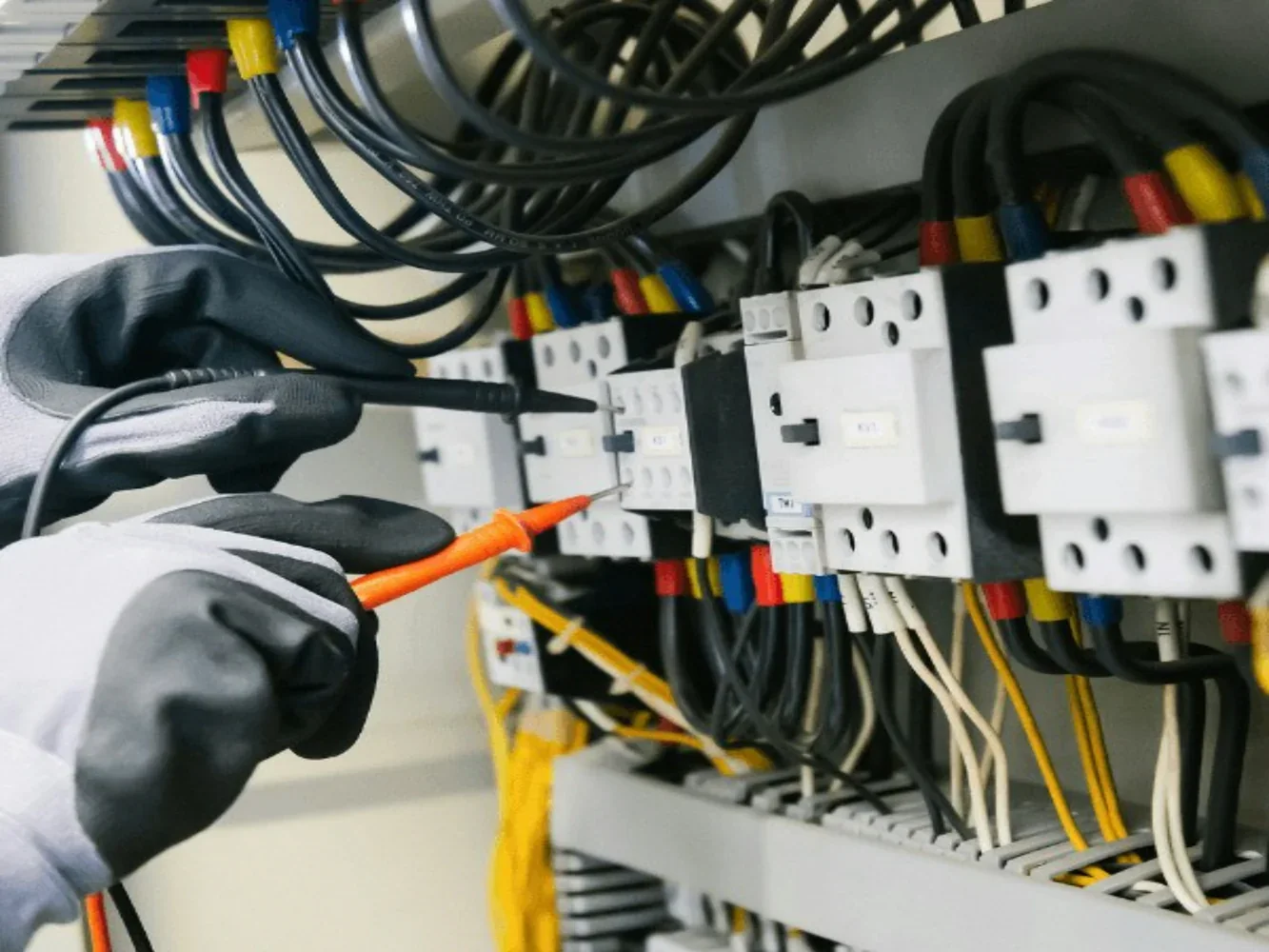
Common Electrical Panel Upgrade Mistakes
Assuming age alone proves the panel must be replaced
Age is a reason to inspect the equipment, not a complete diagnosis.
The panel’s condition, model, modifications, breaker compatibility and calculated demand provide more useful information than a simple age threshold.
Treating a subpanel as additional electrical capacity
A subpanel adds circuit positions. It does not increase the capacity supplied by the utility.
Buying an EV charger before reviewing the service
The vehicle’s maximum charging capability is not necessarily the most practical setting for the household.
A load assessment can identify an appropriate charging rate or an approved energy-management option.
Accepting a quotation that says only “replace panel”
A clear written scope should identify:
- panel and service ratings;
- breaker quantities and types;
- service-entry components;
- grounding and bonding work;
- utility coordination;
- permits and declarations;
- labelling and testing;
- wall or exterior restoration;
- treatment of unexpected deficiencies.
Allowing unlicensed electrical work
Electrical installation work in Québec must be assigned to a contractor holding the appropriate licence.
Before hiring, review our guide to choosing an electrical contractor, including licence verification and written project scope.
Ignoring moisture near electrical equipment
A leaking foundation, plumbing line or service entry can damage replacement equipment.
Correct the source of water rather than replacing only the visibly corroded components.
How Electrical Panel Upgrade Cost Is Determined
A responsible estimate should be based on the actual property rather than a single advertised price.
Important variables include:
- overhead or underground service;
- access to the meter and service entrance;
- existing conductor size and condition;
- panel location and working clearances;
- the number and type of branch circuits;
- grounding and bonding corrections;
- utility-side work;
- permit and coordination requirements;
- hazardous materials near the work;
- repairs to walls, siding or masonry;
- surge protection;
- generator connections;
- load-management equipment;
- temporary-power requirements.
Comparing only the final price can be misleading when one proposal includes the complete service, permits and restoration while another includes only the panel enclosure.
Safety Notes for Homeowners
Do not:
- remove the fixed panel cover;
- tighten internal connections;
- replace a breaker;
- install a larger fuse or breaker;
- move wiring to create space;
- touch wet or damaged service equipment.
Switching off the main breaker does not necessarily de-energize the service conductors entering the panel.
Call emergency services when there is active fire, smoke or immediate danger to occupants.
For buzzing, heat, a burning odour, visible damage, water exposure or repeated unexplained tripping, stop using the affected circuits and obtain prompt assistance from a licensed electrical contractor.
Frequently Asked Questions
Does every 100-amp home need a 200-amp electrical panel upgrade?
No. A 100-amp service can remain adequate when the calculated demand, equipment condition and planned loads fit within the installation. A proper load calculation should determine whether a larger service is justified.
Is an older fuse panel automatically unsafe?
No. An intact and correctly fused panel is not automatically unsafe because of its age alone. However, older panels often require assessment for modifications, oversized fuses, deterioration, insufficient circuit space and modern load requirements.
Does adding a subpanel increase the home’s electrical capacity?
No. A subpanel adds circuit-distribution space but does not increase the amperage supplied by the utility. The feeder and total calculated load must still fit the existing service.
Can a homeowner replace an electrical panel or breaker in Québec?
Electrical-installation work must be completed by a contractor holding the appropriate Québec licence. Panel and breaker replacement are not part of safe homeowner observation or routine operation.
How long will the house be without power during an upgrade?
The interruption depends on the project scope, existing conditions and utility coordination. The contractor should provide a planned outage window and explain how reconnection will be handled.
Conclusion
An electrical panel upgrade should be based on evidence: equipment condition, a proper load calculation, approved circuit capacity and realistic future plans.
Greater Montreal’s varied housing stock makes one-size-fits-all advice unreliable. Some properties need a complete service upgrade, while others need a subpanel, approved load management, branch-circuit repairs or simply better circuit organization.
The safest approach is to treat the panel as one part of the complete electrical installation, confirm the applicable municipal and utility procedures and use a properly licensed contractor.
A well-documented assessment helps prevent both inadequate work and unnecessary replacement while giving the house a safer foundation for future renovations and electrification.
Sources and References
Verify current electrical requirements, municipal procedures, Hydro-Québec processes and contractor licensing before publication and before beginning work.